
Almost there…
I’ve been a bit remiss in blog posts lately. I’ve just recovered from a whirlwind trip through South Africa (so much exciting data!!!), a visit to the Zooniverse team in Oxford, and, not least, my 31st birthday — and now I am rapidly approaching the end of my dissertation, and it is pretty much the only thing on my mind. I’ve already got a date – July 11th – on which I’ll give an hour long public presentation (anyone local is welcome to come) followed by 2 hours of inquisition by my committee members behind closed doors. But to make it there, I first need to hand in my dissertation and have them all agree that I’m ready to defend. I need to hand it in by Friday, and still have a *lot* of work to do!
So, I may have posted this before, but figured it was a good time to (re) share this clip of baby elephants learning to use their trunks. They remind me a little bit of me trying to learn how to do science…

Detour to the Spice Islands
Hey all! Sorry for the delays in posting – I’ve been doing a bit of traveling recently, in the quest to obtain all my permits. Last week, I took the bus (a 12 hour ride each way – no mean feat) from Arusha, the city where we are in northern Tanzania, down to Dar es Salaam, a large city on the coast. Tanzania’s largest city, in fact, and it certainly contains all of the qualities of city living that I find distressing. It’s an overwhelming, crowded, busy, noisy place, not anywhere I’d care to visit again any time soon. The upside to this business trip, however, was that when I finished up dealing with my paperwork on Friday afternoon, I hoped on a ferry and took a ride out to Zanzibar, the “Spice Island”.
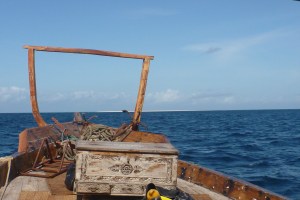
The Zanzibar archipelago is located about 3 hours boat-ride off the coast. Persian traders used Zanzibar as a base for voyages between the Middle East, India, and Africa, and the island later became a center for the Arab slave trade. There’s even a small rock in the archipelago which holds the remains of a prison built for rebellious slaves (named, appropriately if not unimaginatively, “Prison Island”). I spent the weekend in the main island in the city of Stone Town. The city is old, its architecture rife with Arabic influences – towering buildings and narrow alleyways, ornate doors and carefully constructed windows.
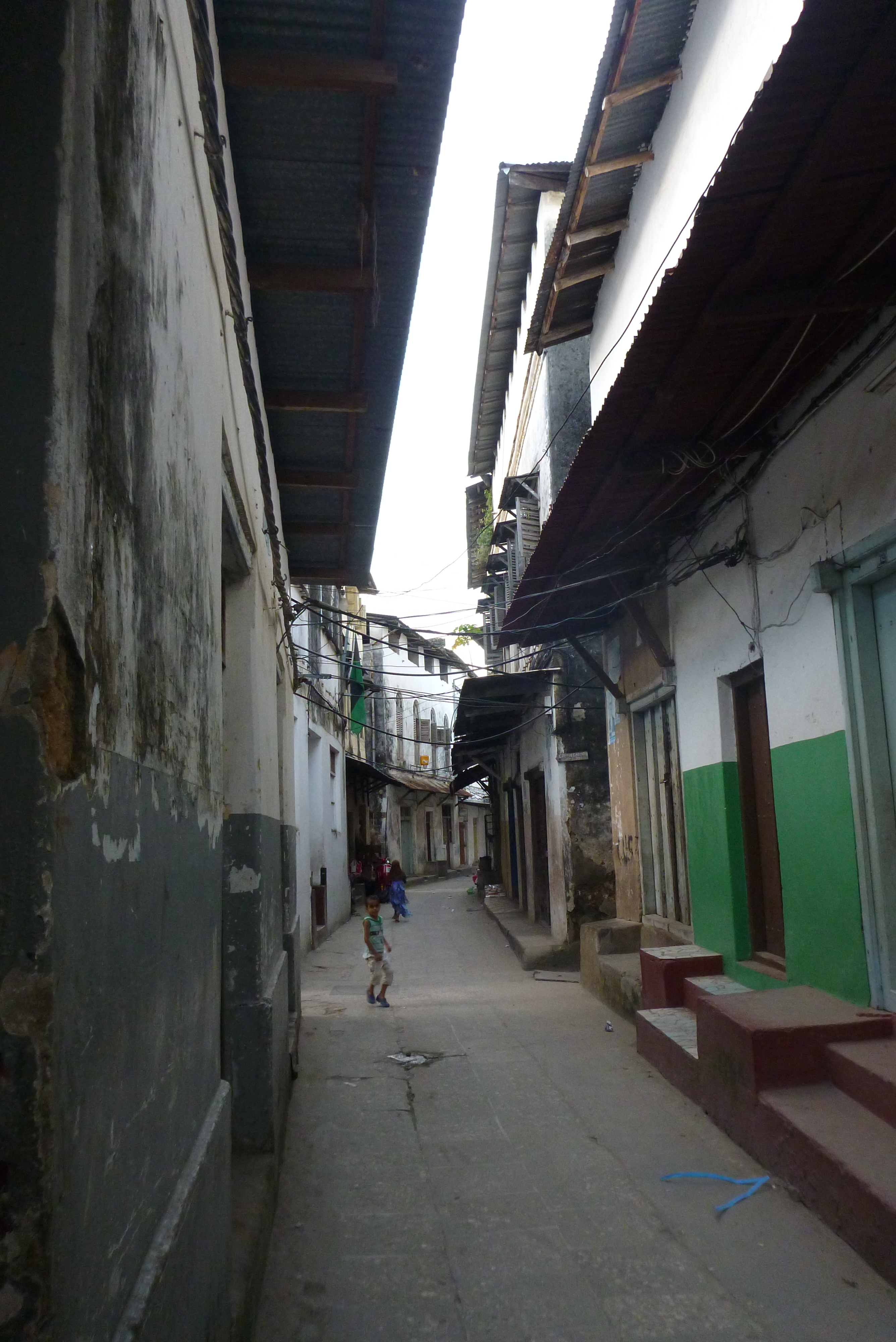
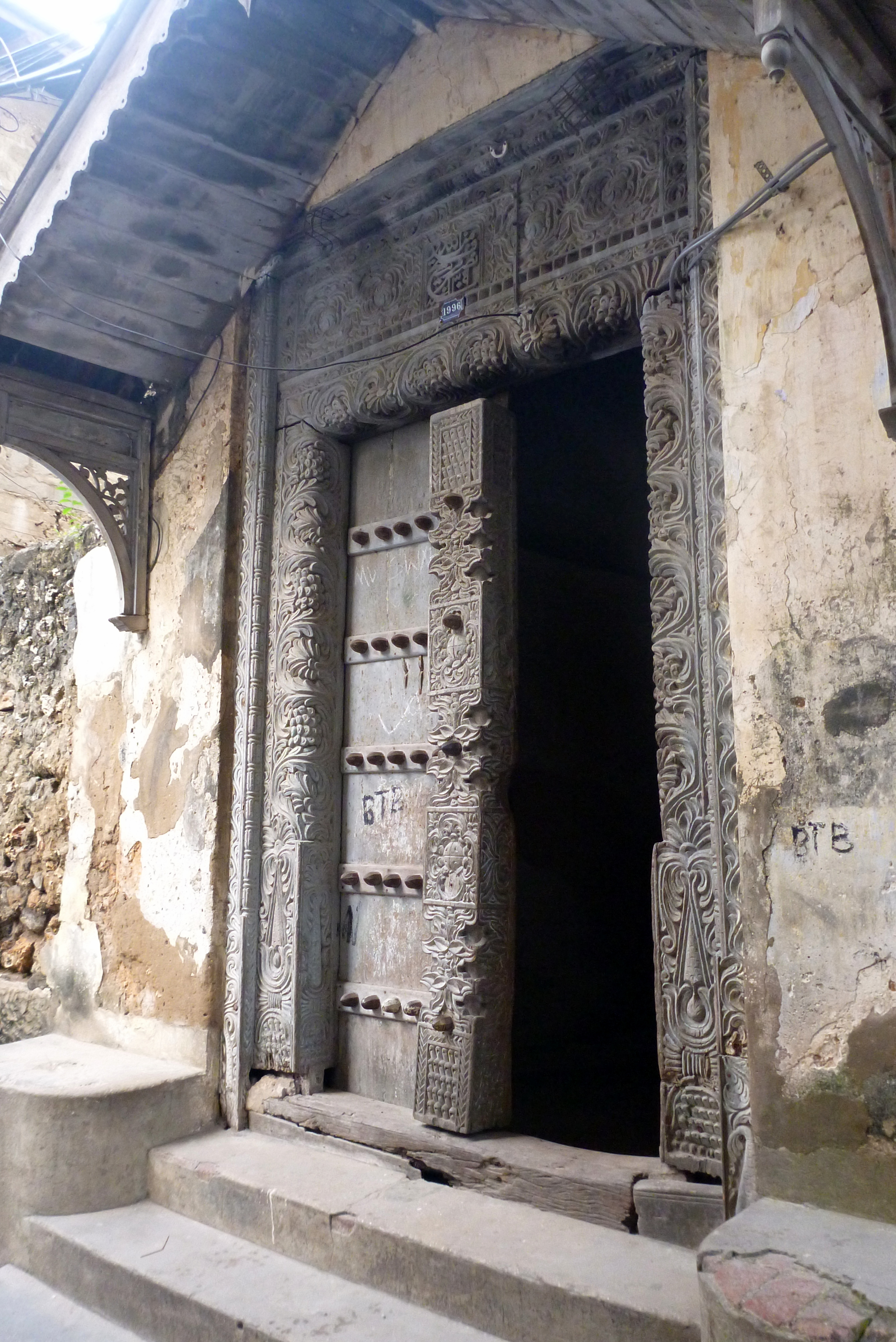
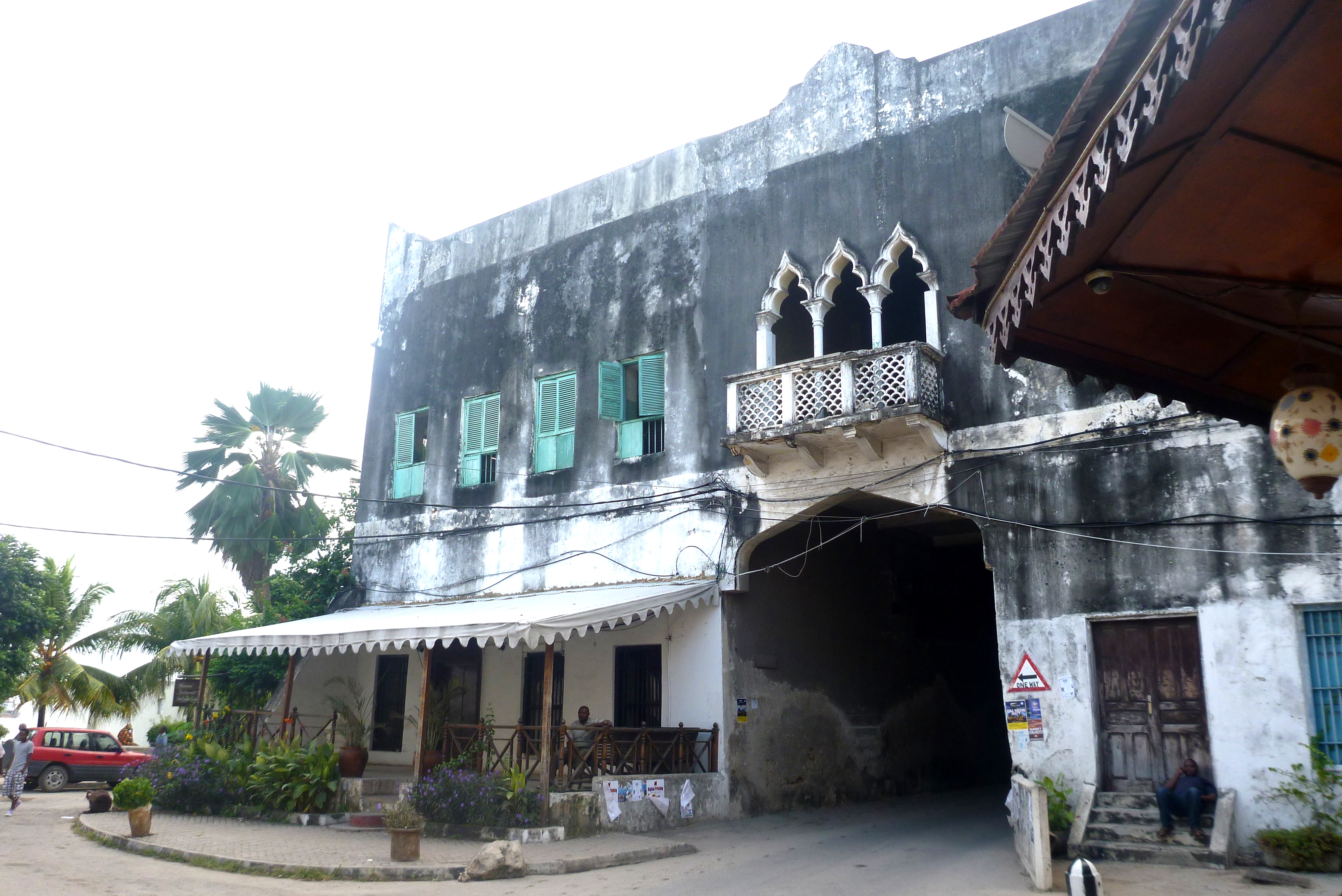
Stone Town claims to be the only function ancient town in East Africa. I was just happy to return to an island and get some quality time out on the beach to refresh and de-stress. The major appeal of Zanzibar for me was what was going on under the waves – I took the first opportunity I could to hop on a boat, don some SCUBA gear, and check out the island’s beautiful coral reefs.
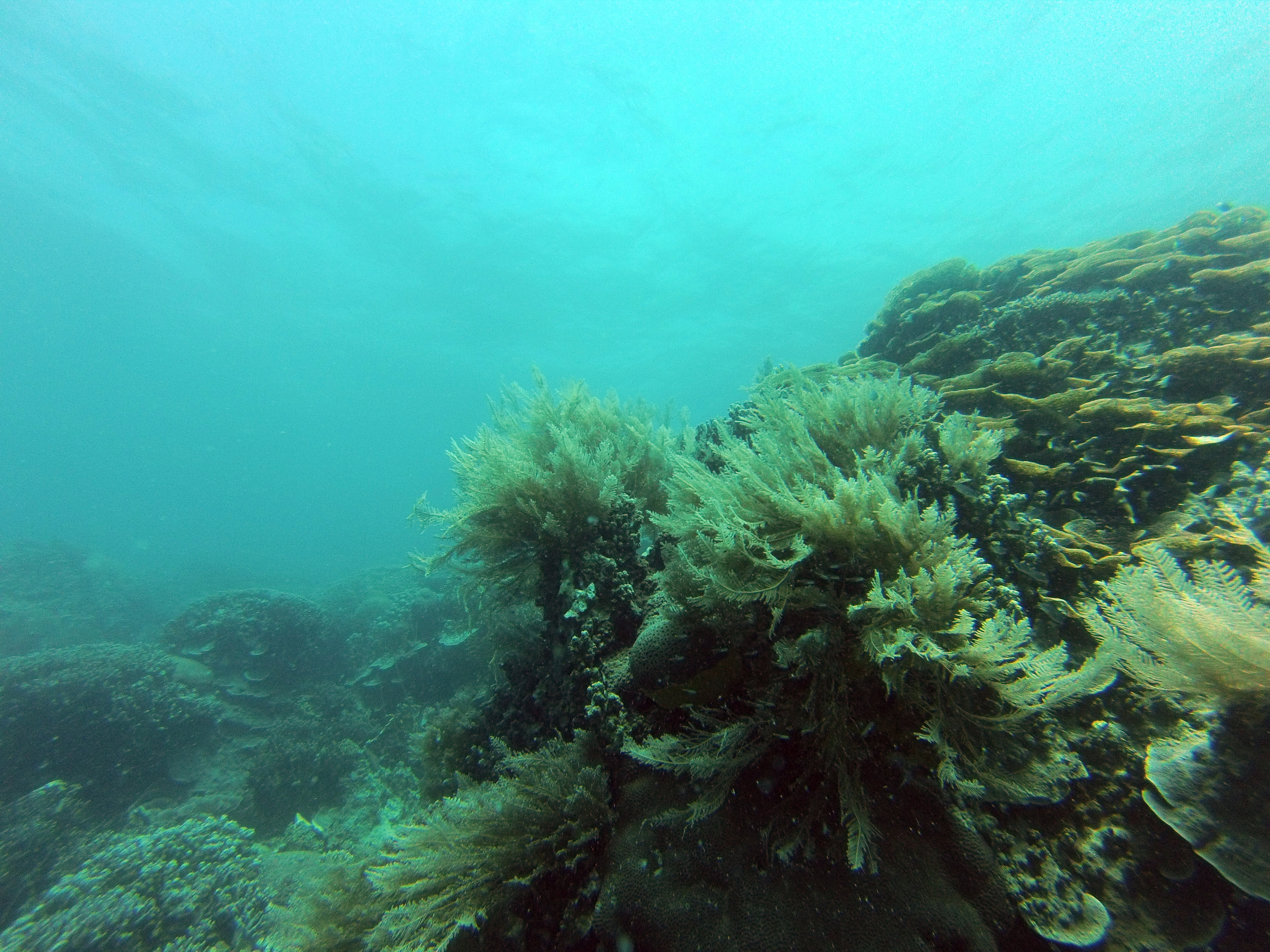

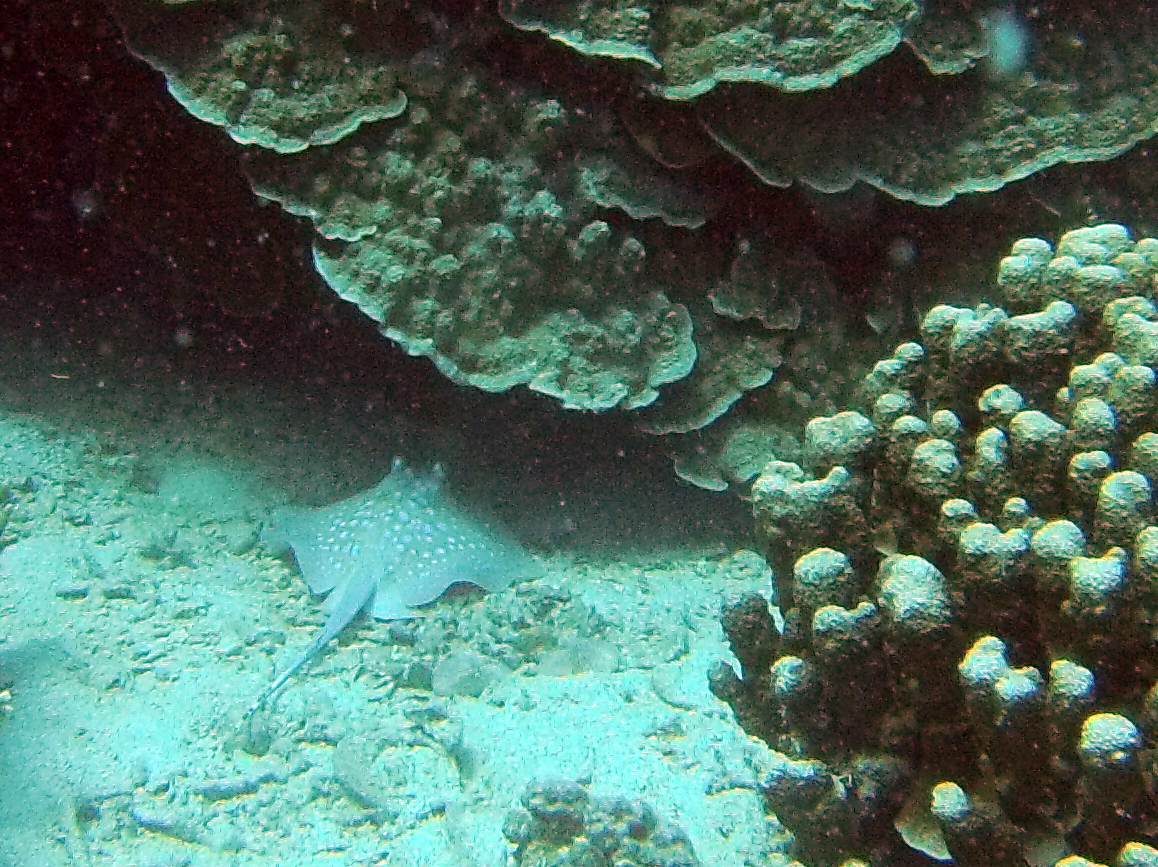
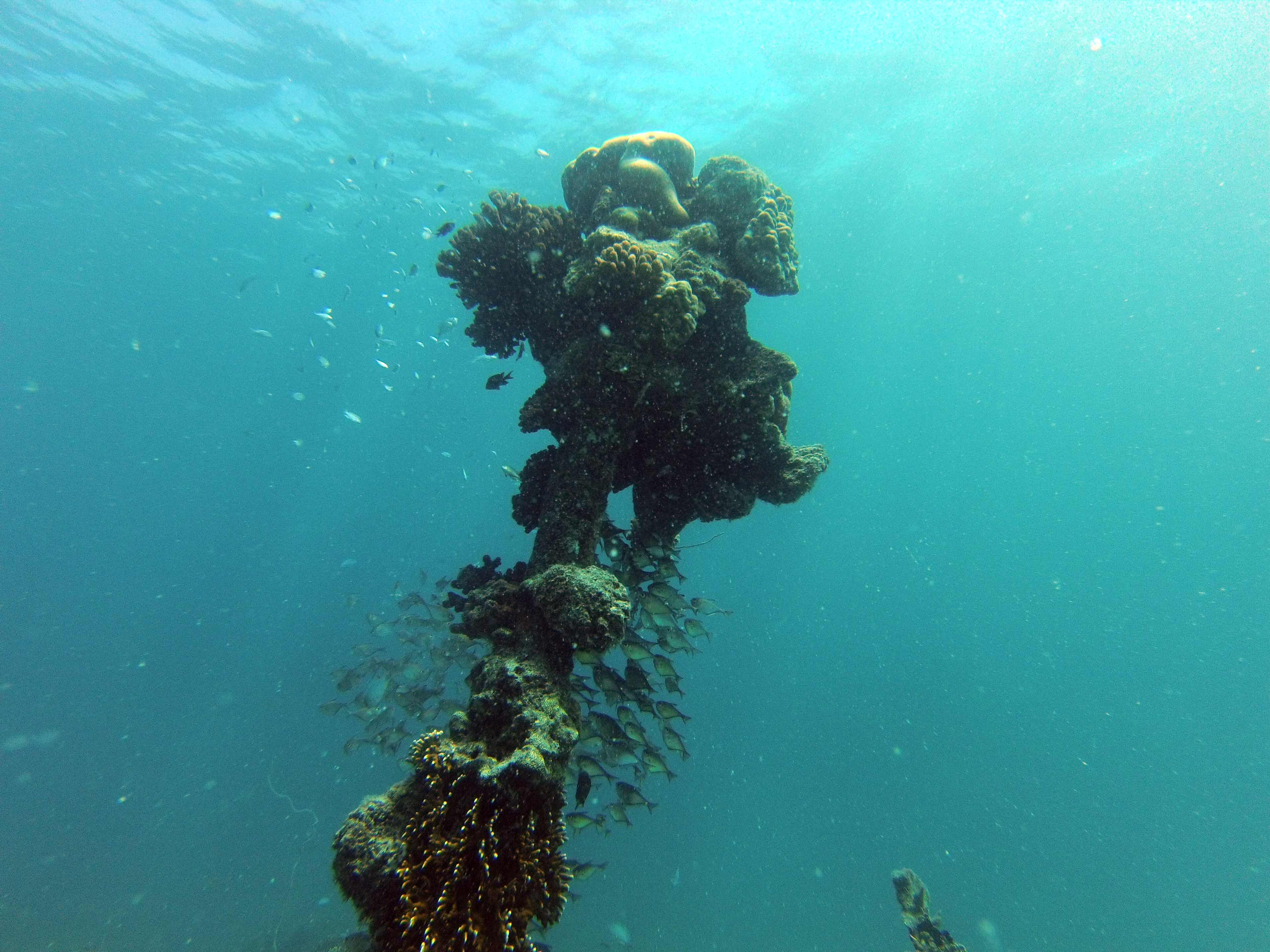

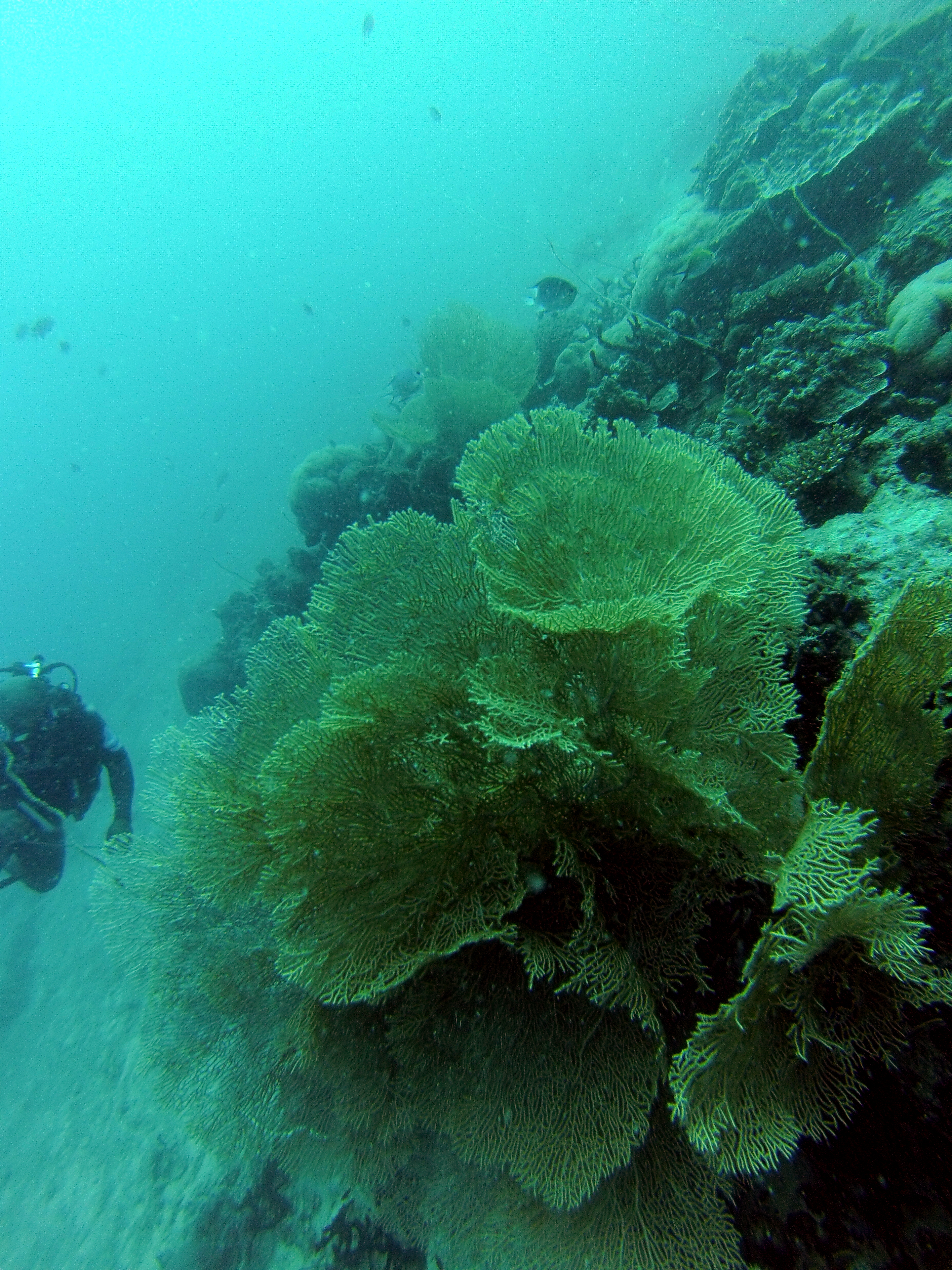
Cephalophods, sting-rays, beautiful shimmering leaf fishes, and pulsing corals. We even got to check out the wreck of a ship that sank over 60 years ago! It was hard enough to drag myself back onto dry land, let alone voluntarily get back in the bus for another monumental drive home. My business was completed successfully, though, so knock on wood I should be seeing the Serengeti soon…
The no armed monkey
I am being consumed by envy. Ali is in South Africa and Meredith is in Tanzania. I am stuck in front of my computer working away on assignments with the prospect of an exam looming fast, in fact days away. I want to be finished with my degree and get back out there where the wild things are.
So to distract myself I have been reminiscing about my life in the African bush, it’s been a good exercise as it has reminded me what all the studying is for. Whilst we are waiting for Ali and Meredith’s blogs I thought I would share with you the story of the no armed monkey….
This is actually a true story involving a troop of vervet monkeys whose territory included my house. I would see them at least once a day as they moved from the tall sycamore fig trees along the river, their nightly refuge spot, into the bush to feed. Vervets are fascinating to watch, they are always up to something and that often involved trying to get into my house to steel fruit. I remember one cold winter morning watching a heavily pregnant female on the stoop reclining with her back propped up on a chair leg, her arms and legs spread out warming her swollen belly in the sun. She looked so at home there I thought I may just get to witness a birth, no such luck. So when the troop moved through I would always stop and watch.
It was on one such vervet induced pause that I noticed one sub adult monkey run across the garden on its back legs, almost lemur like. Grabbing the binoculars I got a better look only to discover it was missing both its arms. There didn’t appear to be any sign of trauma nor scarring. The next thing I knew it had run, on its back legs, straight up a smallish tree through its branches and leaped up on to the thatched roof of my house. My eyes could not believe what they had just clearly seen. Obviously having no arms was no impediment for this little monkey.
On subsequent occasions I watched various other members of the group help the no armed monkey by giving it food or just simply waiting for it to catch up. It was able to use its feet to feed itself quite effectively and seemed to get on just fine. My feeling was that it was born this way, I just can’t think of a scenario where it would lose both arms in an accident and recover enough with no scarring. Whatever the truth of the matter, this little monkey was an inspiration.
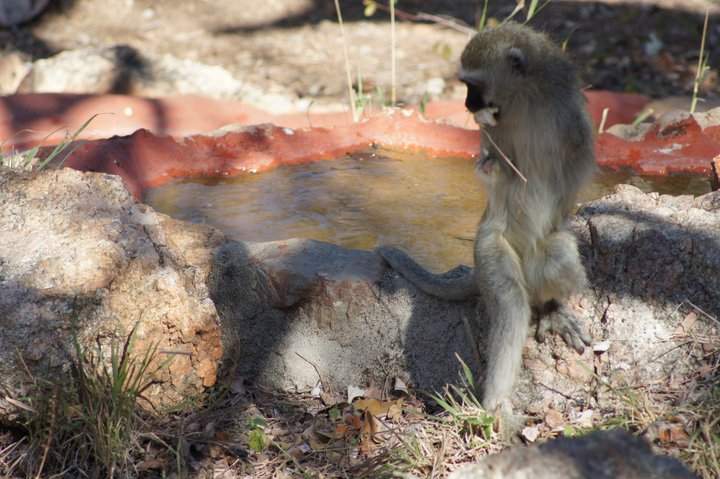
Photo courtesy of Tammy Keizer
Nyala are way prettier than impala
I’m in South Africa, getting a feel for the ongoing Panthera camera trapping surveys, collating data, falling madly in love with the country and South African bush, and scheming for how I need to find a way to come back.
Things are a bit of a whirlwind, but so far I am amazed and excited about the amount of monitoring that many of the small private and state-run reserves have been doing. There is an extraordinary amount of information that has been collected over the last decade on how all of the top predators move and live across these parks. There are parks with and without lions. Parks with and without hyenas. With and without wild dogs. Some parks are big and some are small. Some are very thickly treed, others are somewhat open. (Note that one thing I discovered very quickly is that pretty much all South African habitat, even the grassland, would equate to “woodland” in the Serengeti. So…”open” is a relative term.)
The amount of data here is enough to get any science nerd’s heart a flutter. But I am trying to focus on what is out the window instead of what’s on the computer for now. I’ve only a few days in South Africa, and endless time to analyze the data.
In the meanwhile, I thought I’d share one of my new favorite animals: the nyala.

These cousins to the waterbuck we capture in camera on Serengeti, and you can see it a bit in their pretty faces. But these animals are far more stunning than anything I’ve ever seen in Serengeti. The females are small and sport bright white stripes on their red fur, and the males have these incredible “manes” that run down the undersides of their necks and to their bellies. They are pretty awesome. As is everything I’ve experienced in South Africa so far. Yep, definitely need to find a way back!
Made it to Tanzania!

I arrived in Kilimajaro airport last week, disembarking in the foothills of the famous peak itself. As you can see, by the time we finally touched down, you could hardly make out the mountain in the darkness. It was a long day (3 connections, 35+ hours) of air travel, followed by a final hour of bus-ride before I made it to Arusha and was picked up by the delightful Susan (of the Savannas Forever organization), whose home I have invaded for the time being.
My luggage, of course, was lost – all of it. Mechanical issues on one of my first flights made the resulting connections more than a bit close (I counted those airport sprints as my daily exercise), so I image my bags were sitting neglected in some corner of the Amsterdam airport for a few days before they eventually made it back to me. Poor Susan had to put up with me smelling pretty ripe in the meantime!
Arusha itself if a fairly busy town, and I’ve spent most of the last week plugging away at my permits and catching up on some reading and writing that has been neglected over the last semester. The permitting is, as anticipated, a fairly slow process. There have been a few almost ridiculous set-backs: the wildlife institution had misspelled my email address, so I was completely unaware that Permit #1 had even been granted (!) and I’m experiencing a few snags getting my fees transferred to the right people. C’est la vie, thankfully, nothing insurmountable as of yet. I’m optimistically hoping to get things sorted out before the next two weeks are up, as I’m dying to get out of civilization and into the real outdoors.
However, it would be a lie to make it seem like completely drudgery out here! I did allow myself to take a short break this weekend and headed up to a nearby reptile park with a Maasai friend I met through Susan. I have a soft spot for the scaly critters and greatly enjoyed the opportunity to handle these gorgeous sand boas:
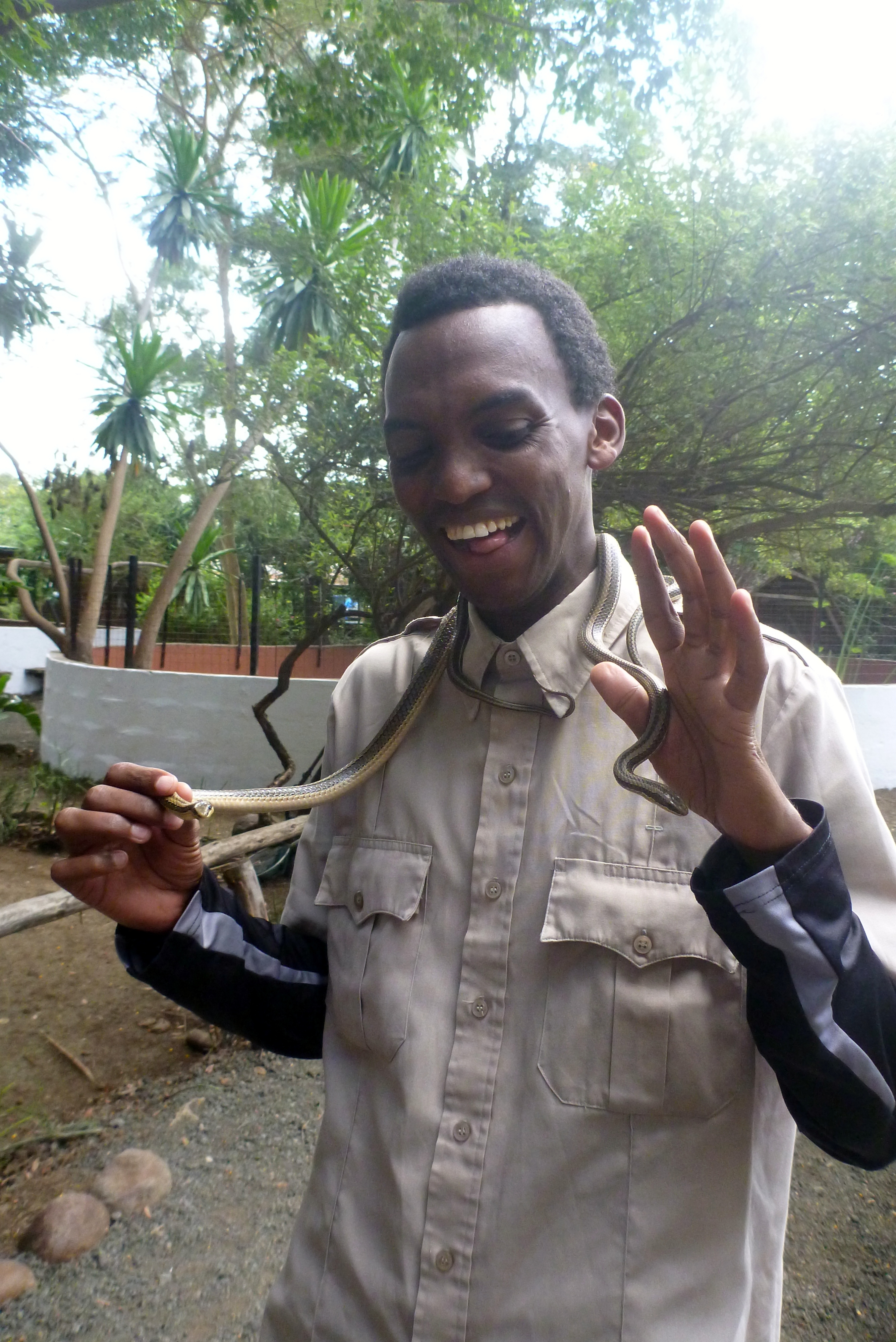
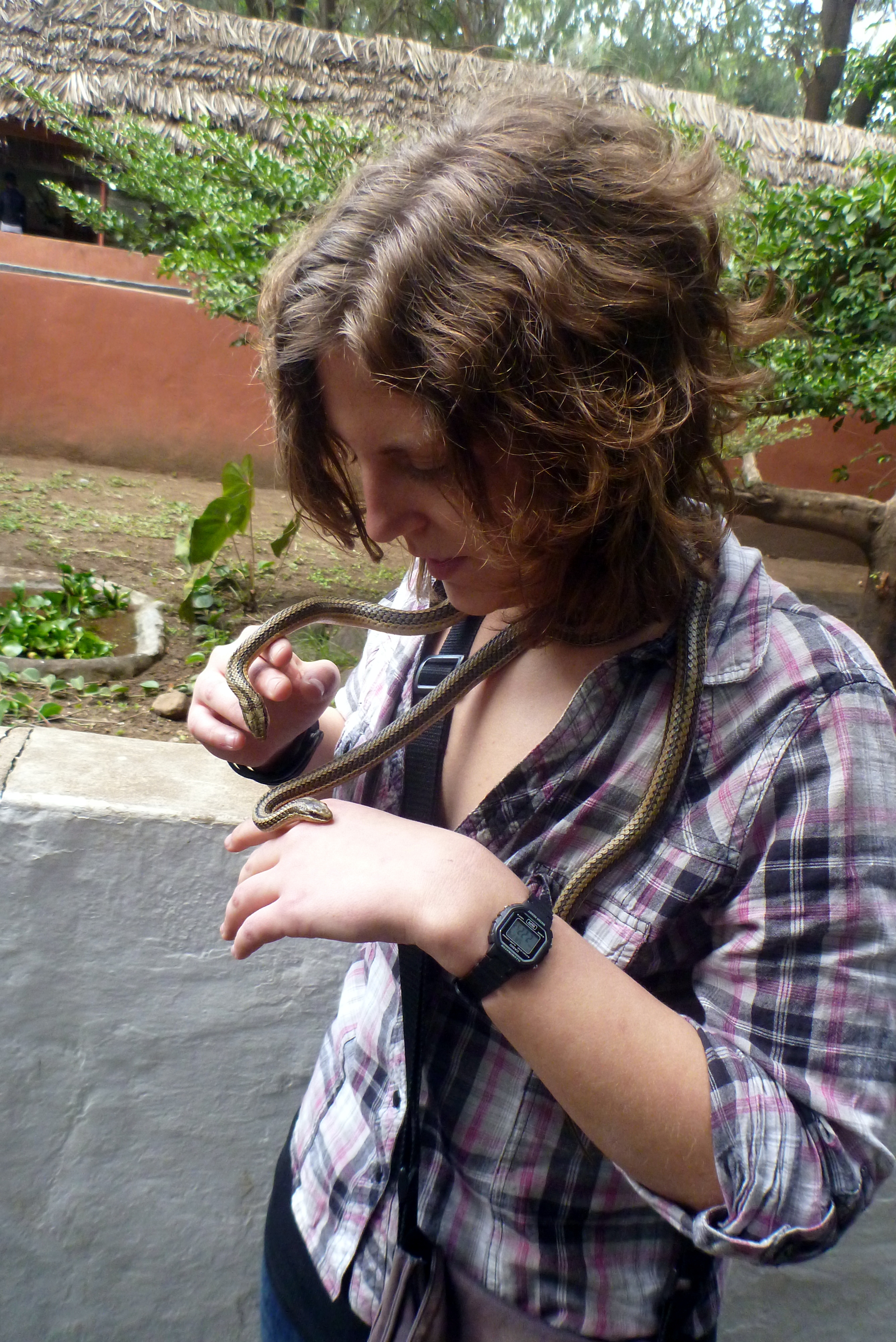
(My friend, Lemmy, was not as enthusiastic)
I’m posting mid-week not only to report that my travels ended well, but also for a bit of a self-plug: today is my 24th birthday! Couldn’t ask for a better place to spend it in!
South Africa, here I come! (cont’d)
A few weeks ago, I mentioned that I’d received NSF funding to carry out some research in South Africa.
Well, today, I leave to go do that!
I’m still frantically trying to finish up my dissertation, so this trip is only marginally prepared. I have tickets. I’ve started packing (still have 2 hours before heading to the airport, so I’d say I’m in good shape). I have a note to myself to *remember my computer charger*…
I’m excited (whoo! never been to South Africa!). I’m eager (I LOVE trans-atlantic flights because I get to watch movies for 20 hours straight and disappear into this weird twilight zone where time seems to stand still). I’m stressed (So much to do! Still haven’t finished my 3rd dissertation chapter so will need to work on the plane instead of watching all those crappy movies, darn). Sitting in my living room, surrounded by ziplock bags of socks and underwear, quick-dry field pants, power cords and extra batteries, I feel not-quite-ready for this new adventure — but I know it is going to be amazing and full of discovery nonetheless.
So with that, South Africa, here I come!
Heading out
Sitting in the airport with my field gear all packed, waiting to embark on the 30+ hours of travel that await as I hop over to Europe and then down to Tanzania! My suitcases are stuffed with everything from duct tape – so much duct tape, it’s not even funny – to pruning shears, sleeping bags to mosquito netting. And snacks, plenty of those. I had to delved into the depths of my closet to dig out some of of my equipment, where it has been languishing since I got back from Guam last year. And I have to confess – I did use this trip as an excuse to splurge on some fancy new gadgets as well. Hello, multitool. How’s it going, camp stove I’ve always wanted!
I believe I’ve mentioned before that this will be my first time in Tanzania. My prior experience in Africa has taken place primarily in South Africa and Namibia – cold, deserty places where I spent almost a year on projects ranging from large herbivore and cheetah conservation to the social behavior of mice. Entering into the “unknown” is giving me a few butterflies, but I’m excited to get out of the office and do some actual hands-on research again. Ali and Margaret have been extremely helpful in my preparations for this trip, especially so with advice on how to navigate the process of obtaining the rest of my field permits. It sounds like my first few weeks will be a distressingly uneventful time in which I hang around the cities filling out paperwork, paperwork, and if I’m lucky, more paperwork. But after that, I hope to have a slew of decent stories to report back on the progress of our project and the the goings-on out in the Serengeti! Wish me luck on my travels, hopefully my next post will be from Tanzania.
Just for fun
I know Mother’s Day was a week ago, but I stumbled across this little gem and thought it was worth posting. I’m currently frantically prepping for my trip to South Africa, so stay tuned for travel stories soon to come!
More on the Melanistic Serval
As Meredith posted the other day, one of our camera traps caught a melanistic serval. Melanism is known across a broad variety of animals, but is particularly prevalent in the cat family. Of 37 known species of cat, at least 13 species have melanistic individuals: the domestic cat, the jungle cat, the leopard, the jaguar, the bobcat, Geoffroy’s cat, the kodkod, the oncilla, the colocolo, the jaguarundi, the Asian golden cat, the marbled cat, and the serval.
Why some individuals are melanistic and why cats are particularly prone to melanism is still a bit of a mystery. It is generally thought that melanism is maladaptive – that is, that individuals with melanism are at a disadvantage because they stand out more than normally colored individuals and so are more likely to be targets of predators and competitors. The consequence is that in populations with a lot of melanism, there ought to be some sort of advantage to offset the disadvantage.

Melanistic serval
One possible explanation for melanism is that cats’ black fur helped keep them warm at higher elevations by absorbing more sunlight. This idea came from the fact that many cat populations with high rates of melanism are found at higher elevations. More recently, there have been studies suggesting that melanistic individuals are more resistant to disease.
There’s not a lot of literature on melanistic servals. But I did find an article in the Journal of East African Natural History that listed the known locations of melanistic serval populations in East Africa. Interestingly, the four main populations with melanism are all highland locations: Mt. Kenya and the nearby Aberdare highlands in Kenya and Mt. Kilimanjaro and North Pare Mountains in Tanzania. All of these are in the general geographic region of Serengeti National Park, so it’s perhaps not too surprising that melanistic servals are there too. What is unusual is that the Serengeti is not a highland.
 Our long-term Serengeti experts, with their decades of experience in the Serengeti, are surprised by the melanistic serval snapped by our cameras. David Bygott says that he’s never heard of a melanistic serval in the Serengeti, and Craig Packer says that while he’s seen melanistic individuals of other animals up on the rim of Ngorongoro Crater (a highland), he’s never seen a melanistic serval anywhere. So this Snapshot Serengeti image is likely the only documented evidence of melanistic serval in the Serengeti.
Happy Mother’s Day!
Yesterday was Mother’s day here in the US and Canada. So in honor of moms of all shapes, sizes, and fur color, here’s a collection of Snapshot Serengeti “family photos.”
Here mom, let me get that for you…

Teenagers. Er, um, pretty much all lions.

Going for a meal…

Wobbly baby eland!

Too cute for words…

Owch.

Oh the cuteness… the cuteness is unbearable.

 Snapshot Serengeti