
The How To Guide for Getting Field Experience
The Minnesota winter has finally come upon us and time is passing exasperatingly slowly, waiting to hear back from funding sources, plowing through homework, cleaning up data, and mostly daydreaming about heading back to Serengeti. Perhaps the dread of spending the next semester in the cold is stirring undergraduates into action, but I’ve been contacted by numerous students recently inquiring about something near and dear to my heart: field experience and how to get it.
Field work is what makes biology for me – I don’t think I could get by without that glimmer of hope, the promise of going out and getting dirty and experiencing ecology in the raw. The summers of my own undergraduate career and the two years before I entered graduate school were spent almost entirely out in the bush: measuring fishes and catching snakes and doing pretty much whatever kind of work I could come across that would let me mess around doing science in the great outdoors.

“Doing Science” in the Great Outdoors
I lived for that work, but I can’t claim that it’s entirely glamorous. You won’t be picking up a brand new Ferrari any time soon, that’s for sure. My first field jobs could barely be called sustenance living, but after a few years of experience, I was picking up jobs that came with fancy, real-person benefits (oooh, like Dental).
And then there’s that whole “in the field” thing to consider — in all its glorious, treacherous, beautiful and exhausting majesty. I’ve been on field jobs where people have suffered through dengue and malaria, contracted parasites, twisted limbs, narrowly avoided encounters with venous snakes (on an almost daily basis), and quite literally passed out from exhaustion in the middle of the wilderness. “Sweat, blood, and tears” sums it up quite nicely. You’re stuck with the same old crew for weeks, or even months, on end, often with limited amenities. If isolation is not your thing, perhaps second thoughts may be in order. Also take into account the facilities you’ll be living in. I’ve been overwhelmed by the relative “luxury” of some field stations (electricity! food that isn’t rice and beans!), and enjoyed the struggle of situations at the opposite end of the spectrum (cold showers are good for you, and you didn’t need to check that Facebook this month anyway…).

Just another day at work
Which isn’t to sell any aspect of fieldwork short. Doing fieldwork is an absolutely wonderful way to get your butt outdoors, see the world, enjoy nature, and it does wonders preparing you for a career in science. Techniques I’ve learned and people I’ve met along the way have been invaluable when it came to getting new jobs and heading back to school. I feel far more prepared to do my own research after having participated in such a diversity of projects. Plus, you get to be your down David Attenborough and live the things you’ve only ever seen on Nature documentaries or in the zoo. It’s a well worth-while experience.
So, the important part: where to find the job.
THE UNDERGRADUATE
For those still in an undergrad program looking for a summer position, the NSF Research Experiences for Undergraduates (REUs) are definitely the first place to hit up (NSF REU; NSF for BIOLOGY). These are great paying positions that are geared specifically towards getting you involved in your own research. I completed two REUs during my undergrad, spending one summer working in Panama studying developmental plasticity in Red-eyed tree frogs and another on the island of Puerto Rico filming the territorial behaviors of Anolis lizards. These experiences are wonderful because you are highly involved with the lab you work in, you get to meet and interact with a large body of scientists from various disciplines, and if you’re designing your own project, get invaluable input into the process of constructing an experiment. For me, both of my REU projects resulted in publications – an important factor for applying for graduate school.
LIST SERVS
List servs are beautiful, beautiful things, because job applications find their own way into your inbox and sit there waiting for you to read them. They’re also a great place to join in on scientific discussion and share ideas, articles, and even research equipment. Some of my favorite list-servs are:
- ECOLOG-L: Run by the Ecological Society of America
- MARMAM: For researchers working with marine mammals
- MAMMAL-L: I believe this was set up by the American Society of Mammologists?
You can probably tell that I’m a bit biased towards mammal work, but ECOLOG runs job advertisements from everything ranging from forest ecology to herps and fishes through to hyena biology in Kenya.
WEBSITES
Biology job boards are the next place I turn when looking for the next field position. These update fairly regularly, so keep checking up on them:
- Texas A&M biology: My absolute favorite – there are some really fantastic research opportunities that make their way to the Texas A&M job board
- ConBio: Run by the Society for Conservation Biology
- Primates: For those interested specifically in primates
- AZA (Zoos): If the field isn’t quite for you, but you’re still gung ho about working with animals, be sure to check out what’s going on at the zoos
- USAjobs: Government jobs are some of the better-paying gigs in the biology business
Find the job applications is, like most things in life, just the first step in a Process. Next come the cover letters, the applications themselves, scrounging up enough references and actually getting them to submit letters for you on time (often, the most difficult part). But hopefully this provides as starting point for those ready to get out there and do some science.
Back from the field!
Hi guys! Sorry for the long hiatus on my front. Africa was just as exciting and frustrating and marvelous and difficult as I had imagined it would be, and I’m missing it terribly. I made it back to the US just a week or so ago, my suitcases full of lion manes, camera traps, dead telemetry equipment for repair, and several very important hard drives full of new data to analyze! It’s going to be a busy semester synthesizing everything I learned this summer and planning ahead for the next go around.
Coming home from the field for me typically means a week of celebratory eating (ice cream for breakfast! fruits all day every day!), celebratory showering (hot water! running water!), celebratory lavatory use (it flushes!), among other things. This time, though, I’ll have to admit that even these luxuries didn’t soften the blow of leaving.
(Impending statistics classes awaiting me in Minnesota probably didn’t help either).
There is one primary advantage to coming home, the one thing that makes me appreciate every day that I’m back, and it the fact that for a few blissful months, I will no longer have to deal with these little devils:
 The Tsetse Fly: Evil on Wings
Good riddance, tsetses! Hello, Minnesota!
Detour to the Spice Islands
Hey all! Sorry for the delays in posting – I’ve been doing a bit of traveling recently, in the quest to obtain all my permits. Last week, I took the bus (a 12 hour ride each way – no mean feat) from Arusha, the city where we are in northern Tanzania, down to Dar es Salaam, a large city on the coast. Tanzania’s largest city, in fact, and it certainly contains all of the qualities of city living that I find distressing. It’s an overwhelming, crowded, busy, noisy place, not anywhere I’d care to visit again any time soon. The upside to this business trip, however, was that when I finished up dealing with my paperwork on Friday afternoon, I hoped on a ferry and took a ride out to Zanzibar, the “Spice Island”.
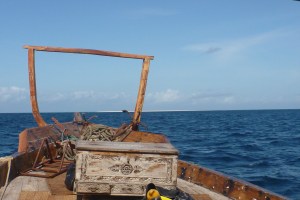
The Zanzibar archipelago is located about 3 hours boat-ride off the coast. Persian traders used Zanzibar as a base for voyages between the Middle East, India, and Africa, and the island later became a center for the Arab slave trade. There’s even a small rock in the archipelago which holds the remains of a prison built for rebellious slaves (named, appropriately if not unimaginatively, “Prison Island”). I spent the weekend in the main island in the city of Stone Town. The city is old, its architecture rife with Arabic influences – towering buildings and narrow alleyways, ornate doors and carefully constructed windows.
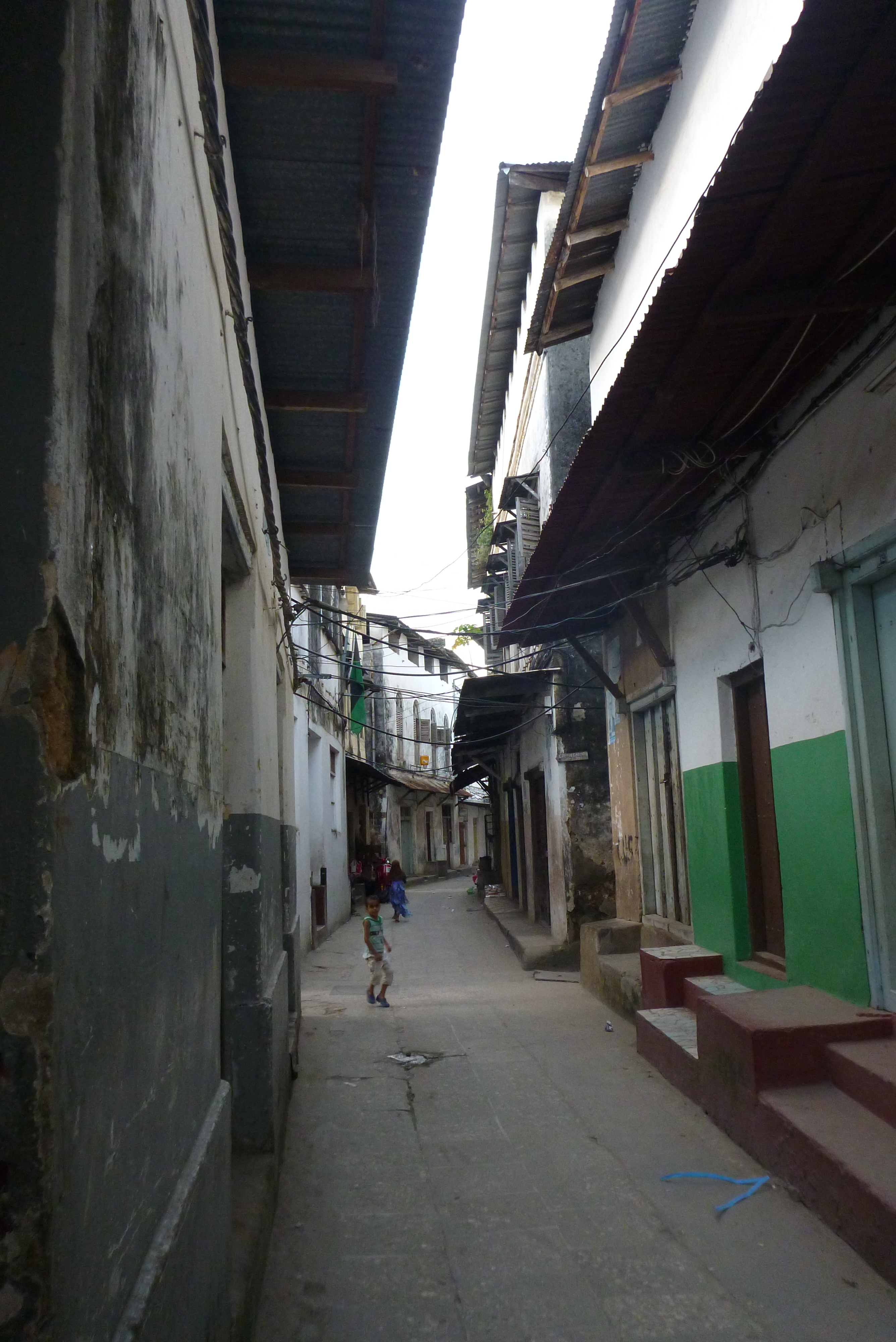
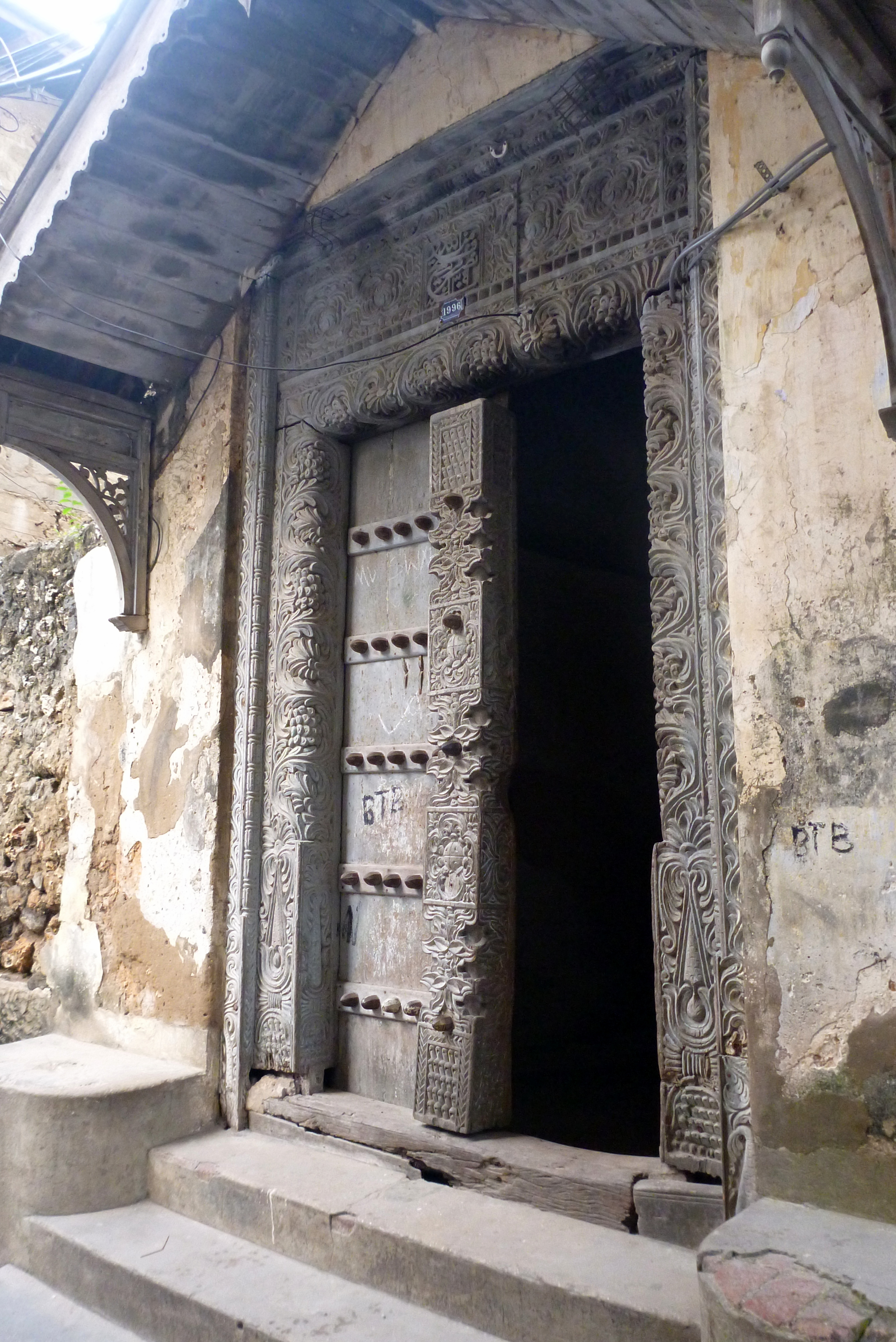
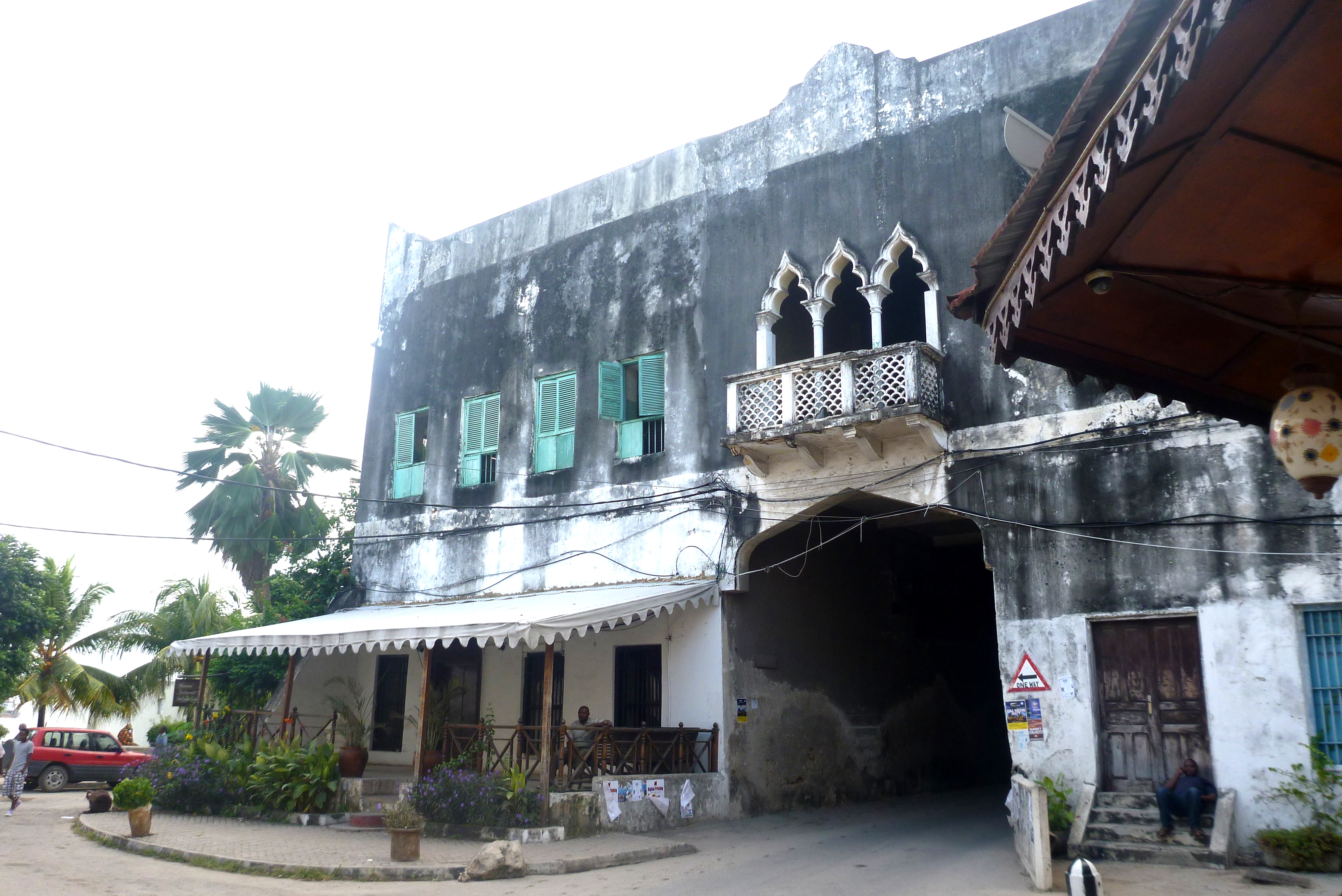
Stone Town claims to be the only function ancient town in East Africa. I was just happy to return to an island and get some quality time out on the beach to refresh and de-stress. The major appeal of Zanzibar for me was what was going on under the waves – I took the first opportunity I could to hop on a boat, don some SCUBA gear, and check out the island’s beautiful coral reefs.
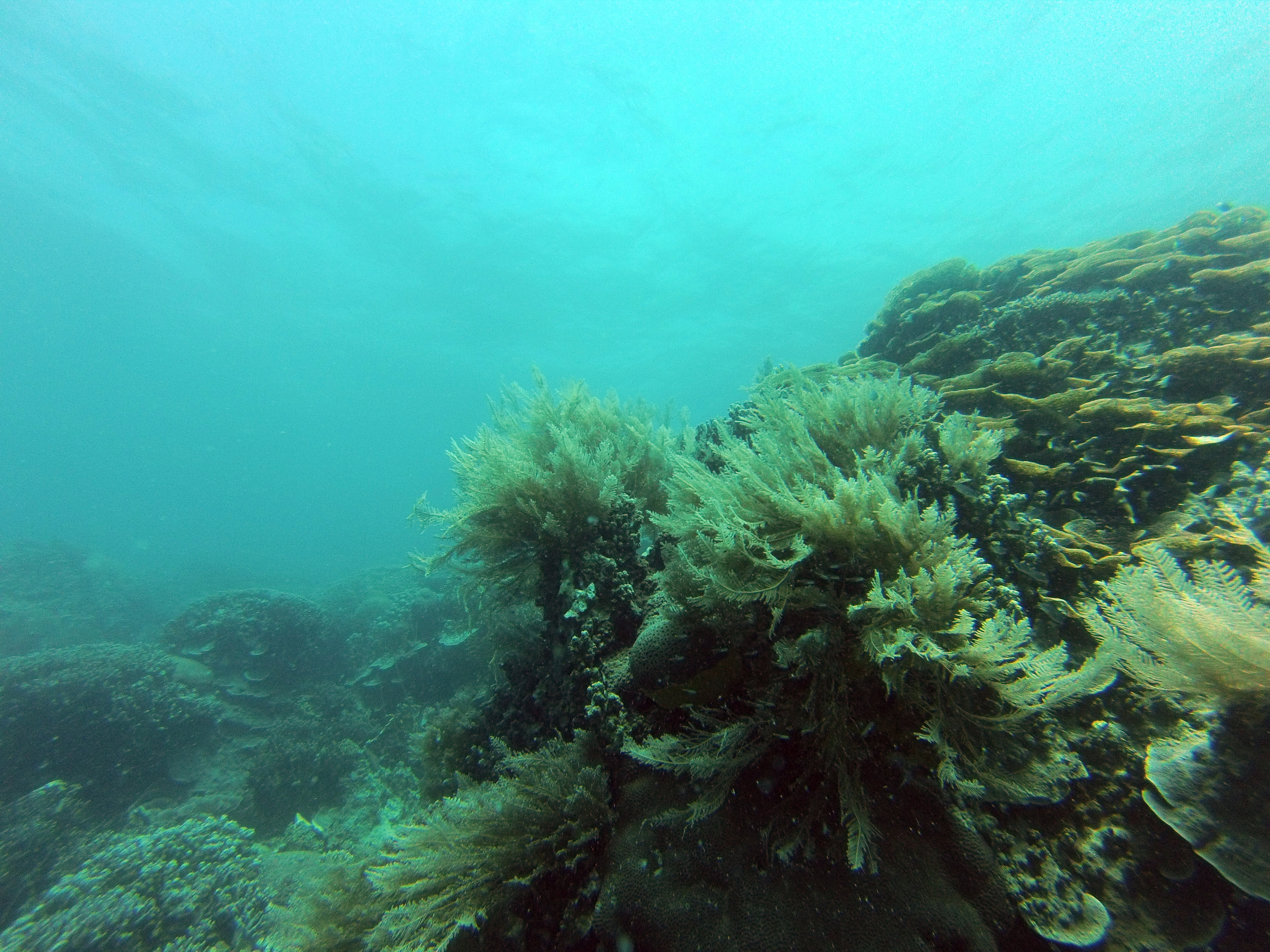

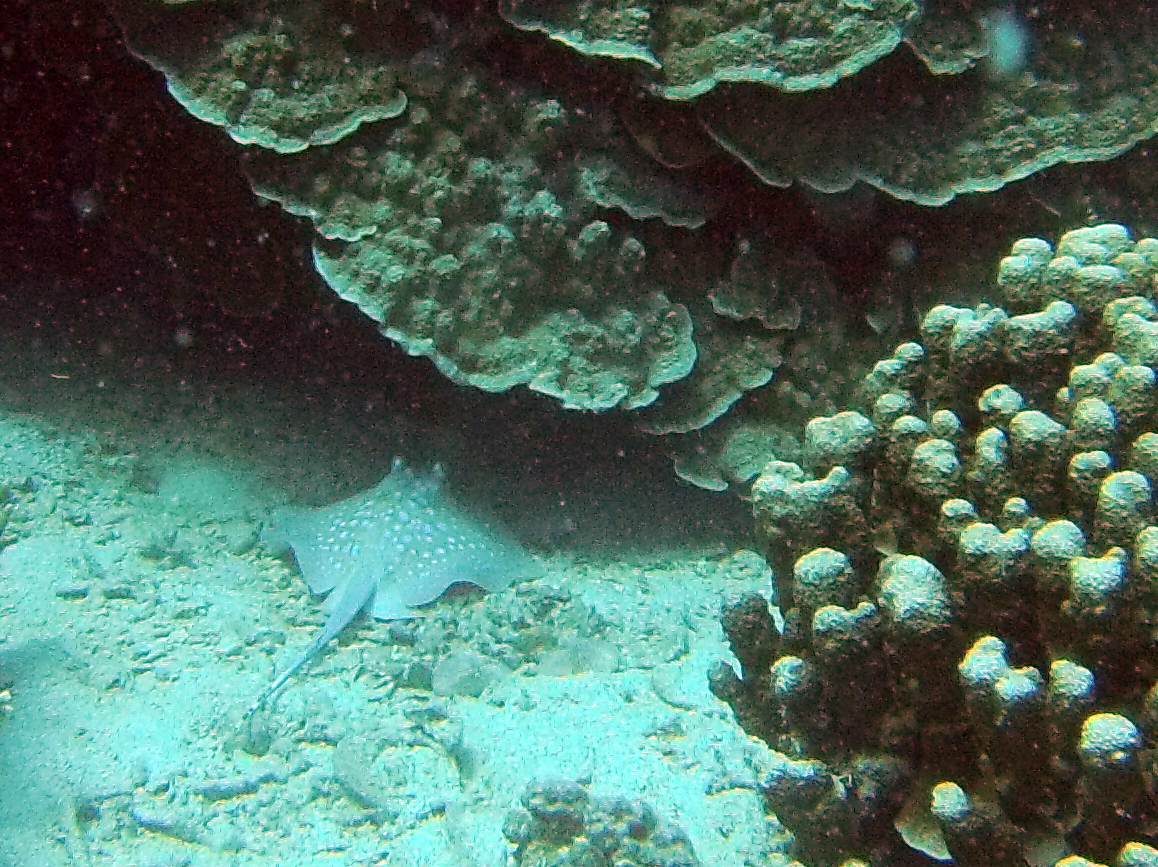
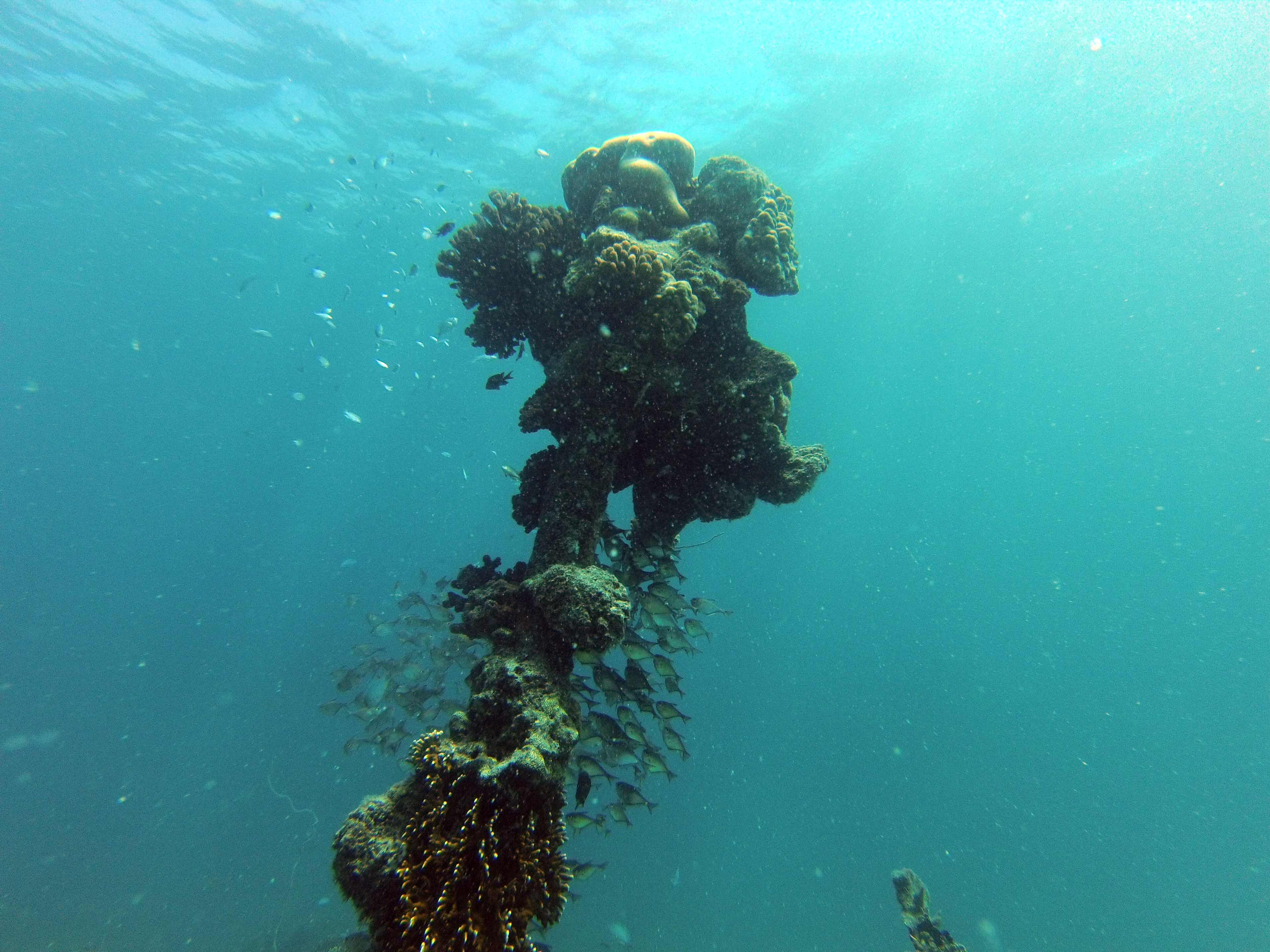

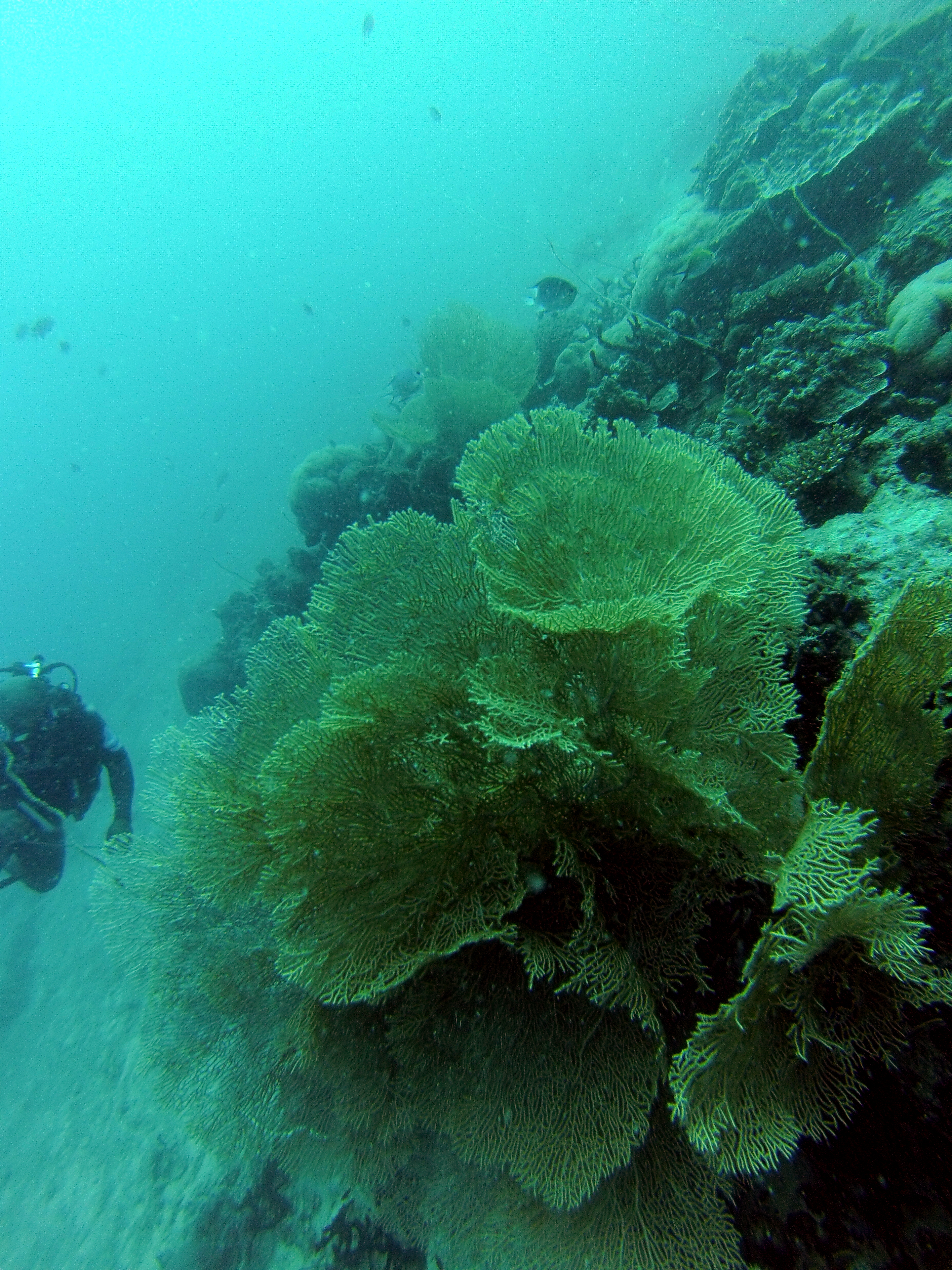
Cephalophods, sting-rays, beautiful shimmering leaf fishes, and pulsing corals. We even got to check out the wreck of a ship that sank over 60 years ago! It was hard enough to drag myself back onto dry land, let alone voluntarily get back in the bus for another monumental drive home. My business was completed successfully, though, so knock on wood I should be seeing the Serengeti soon…
Made it to Tanzania!

I arrived in Kilimajaro airport last week, disembarking in the foothills of the famous peak itself. As you can see, by the time we finally touched down, you could hardly make out the mountain in the darkness. It was a long day (3 connections, 35+ hours) of air travel, followed by a final hour of bus-ride before I made it to Arusha and was picked up by the delightful Susan (of the Savannas Forever organization), whose home I have invaded for the time being.
My luggage, of course, was lost – all of it. Mechanical issues on one of my first flights made the resulting connections more than a bit close (I counted those airport sprints as my daily exercise), so I image my bags were sitting neglected in some corner of the Amsterdam airport for a few days before they eventually made it back to me. Poor Susan had to put up with me smelling pretty ripe in the meantime!
Arusha itself if a fairly busy town, and I’ve spent most of the last week plugging away at my permits and catching up on some reading and writing that has been neglected over the last semester. The permitting is, as anticipated, a fairly slow process. There have been a few almost ridiculous set-backs: the wildlife institution had misspelled my email address, so I was completely unaware that Permit #1 had even been granted (!) and I’m experiencing a few snags getting my fees transferred to the right people. C’est la vie, thankfully, nothing insurmountable as of yet. I’m optimistically hoping to get things sorted out before the next two weeks are up, as I’m dying to get out of civilization and into the real outdoors.
However, it would be a lie to make it seem like completely drudgery out here! I did allow myself to take a short break this weekend and headed up to a nearby reptile park with a Maasai friend I met through Susan. I have a soft spot for the scaly critters and greatly enjoyed the opportunity to handle these gorgeous sand boas:
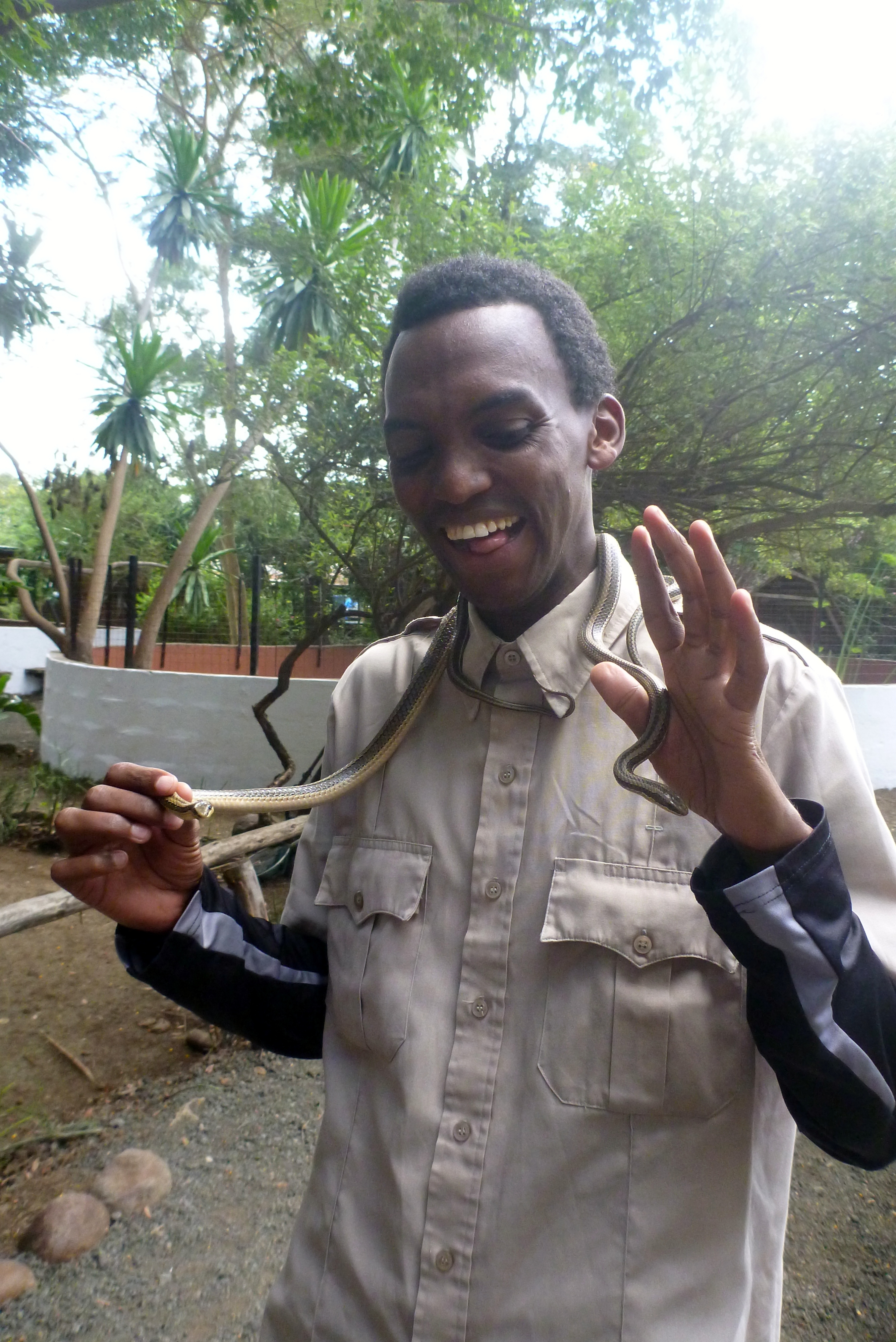
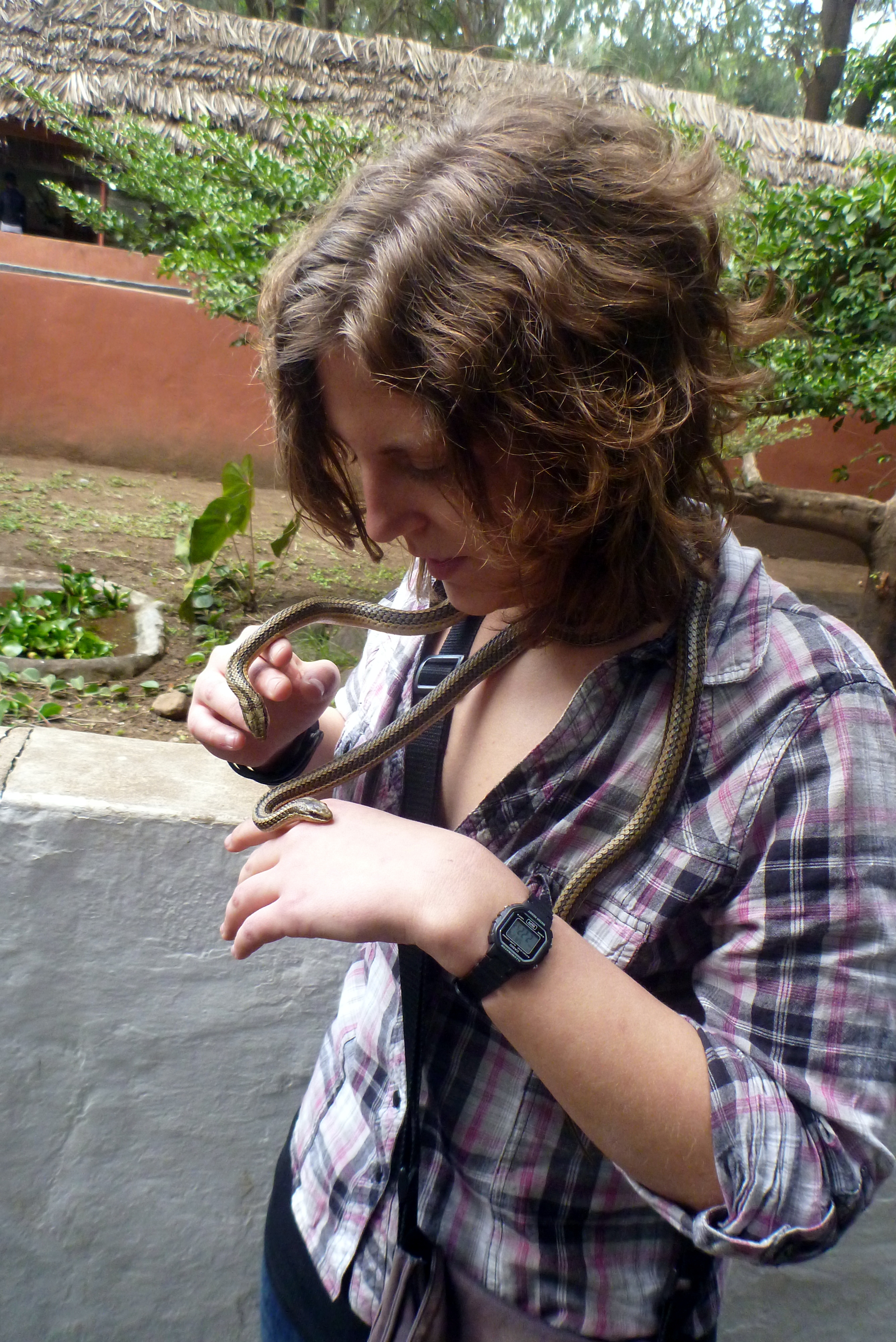
(My friend, Lemmy, was not as enthusiastic)
I’m posting mid-week not only to report that my travels ended well, but also for a bit of a self-plug: today is my 24th birthday! Couldn’t ask for a better place to spend it in!
Heading out
Sitting in the airport with my field gear all packed, waiting to embark on the 30+ hours of travel that await as I hop over to Europe and then down to Tanzania! My suitcases are stuffed with everything from duct tape – so much duct tape, it’s not even funny – to pruning shears, sleeping bags to mosquito netting. And snacks, plenty of those. I had to delved into the depths of my closet to dig out some of of my equipment, where it has been languishing since I got back from Guam last year. And I have to confess – I did use this trip as an excuse to splurge on some fancy new gadgets as well. Hello, multitool. How’s it going, camp stove I’ve always wanted!
I believe I’ve mentioned before that this will be my first time in Tanzania. My prior experience in Africa has taken place primarily in South Africa and Namibia – cold, deserty places where I spent almost a year on projects ranging from large herbivore and cheetah conservation to the social behavior of mice. Entering into the “unknown” is giving me a few butterflies, but I’m excited to get out of the office and do some actual hands-on research again. Ali and Margaret have been extremely helpful in my preparations for this trip, especially so with advice on how to navigate the process of obtaining the rest of my field permits. It sounds like my first few weeks will be a distressingly uneventful time in which I hang around the cities filling out paperwork, paperwork, and if I’m lucky, more paperwork. But after that, I hope to have a slew of decent stories to report back on the progress of our project and the the goings-on out in the Serengeti! Wish me luck on my travels, hopefully my next post will be from Tanzania.
Fieldwork on the horizon
In news not quite as exciting as Ali’s (congratulations again!), I have just gotten word from the Tanzanian research institute that the proposal I submitted for summer research have been approved! It looks like I’ll be heading out to Dar es Salaam and Arusha in the next three weeks to get the rest of my permits sorted out, and then head into the field immediately afterward. Definitely looking forward to seeing this amazing system first-hand — I’m sure it will be a surreal experience, after becoming so familiar with the animals and landscape through the camera trap images. Added bonus: I get to leave Minnesota, where it is still snowing. Hurrah!
A different way to see the world
I posted a little while ago about the applications of remote sensing technology in biological research. Here’s a TED talk by one of the authors of the South African study I mentioned with some fascinating visuals showing the level of detail these technologies can reveal to us. While the talk starts off flying you through a “lion’s-eye” view of hunting terrain, Greg Asner goes on to reveal some of the other ecological and conservation implications of these technologies and how they can help us do things from finding illegal goldmines and documenting species composition in the Amazon to tracking habitat changes by elephants and fire back in Africa.
The History of Lions

Barbary Lion, BBC
Here’s a great post by the BBC about some genetic work that has just been done to shed light on the evolutionary history of lions. Apparently, it’s a bit tricky reconstructing lion history due to the fact that they don’t fossilize particularly well (generally not conducive conditions in lion habitat) and that humans create giant holes in the record by wiping out entire sub-population.
However, from genetic analyses of living lions and museum specimens, these authors have determined that there are two evolutionary groups of lions – those in India and Central/West Africa and those in Eastern/Southern Africa. This happens to have some interesting implications for lion conservation and reintroduction — check out the article!
Interesting finds from Season 7!
Season 7 is up and running, and we’re already running into some interesting critters!

melanistic serval
No, that’s not a house cat wandering through the middle of the savanna. If you check out the gigantic ears, it appears that we’ve caught sight of a melanistic serval! Melanism involves a genetic mutation that causes the development of dark pigments in the skin, like a reverse albinism. For comparison, these guys normally look like this:

regular ol’ serval
According to our field assistant, Daniel, the serval population is booming in the Serengeti at the moment. Perhaps with so many animals, it’s not entirely unexpected to find one or two odd cases like this.
Let’s see what other interesting finds pop up in the latest season of Snapshot Serengeti!
Male lion takeovers

This series of photographs documents a stand-off between two male lions — a younger male attacking? defending against? an older male. Interestingly enough, at the last minute, a pair of lionesses jump in and join the young male in evicting his older competitor.
In lion societies, males leave their birth prides at a young age and join together with other males, forming coalitions. These groups, which vary in size from 2-9 individuals, range across territories and attempt hostile takeover of established female prides from other males. While it may seem that the only obstacle to taking over a pride is the coalition of males who have already set up shop, it isn’t always in the females’ best interest to stand by passively and the males duke it out.
A group of male lions’ first order of business upon gaining tenure of a new pride is to off all the females’ dependent offspring. Loss of cubs brings females back into heat sooner, giving the new males a reproductive incentive to commit infanticide. The female, on the other hand, suffers an immediate loss in fitness — all the reproductive effort invested in her cubs is gone! Females have evolved a number of ways to reduce the risk of infanticide by males, including behavioral strategies such as banding together with their current coalition to stave off intruders. Is that what’s going on here? Perhaps, perhaps not. The female-defended male looks fairly young the be in this type of a situation. Cub loss, however, is an important factor to keep in mind when considering sport-hunting of mature male lions. The effect of removing a resident male is removed may cascade through his social group, leading to additional deaths within his pride when new males move in to his vacated niche.
Grinnell, J. and K. McComb. 1996. Maternal grouping as a defense against infanticide by males: Evidence from field playback experiments on African lions. Behavioral Ecology, 7(1): 55-59.
Packer, C., Scheel, D., and A. Pusey. 1990. Why lions form groups: food is not enough. American Naturalist, 136(1): 1- 19.
 Snapshot Serengeti